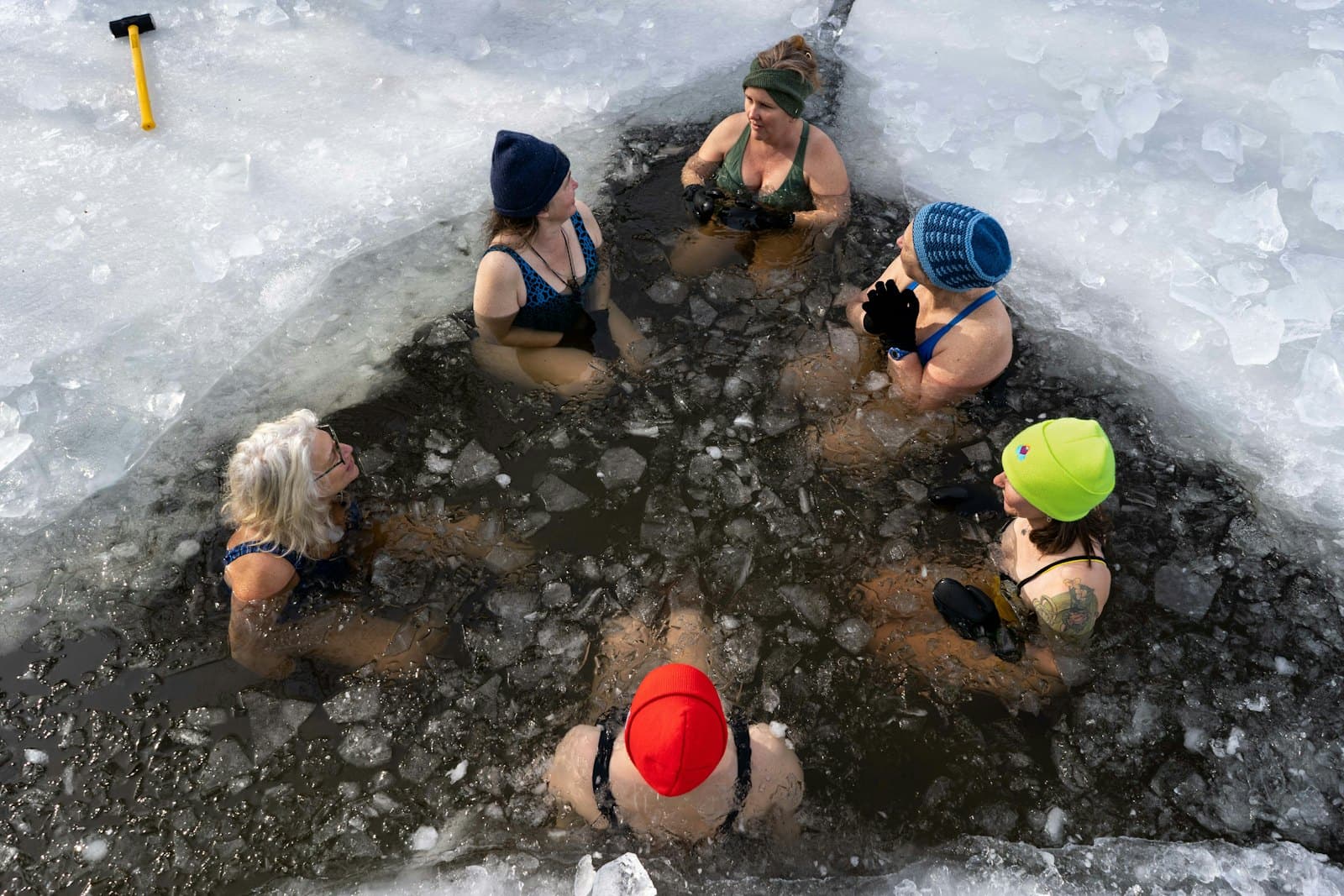
Cold immersion (ice bath or cold plunge) means submerging the body in cold water for a few minutes. It has moved from an elite-athlete niche to a service that gym members, hotel guests, and sports-clinic patients actively look for. It's also the simplest way to add a recovery station without any construction.
What it is and how it works
A cold plunge is a tub built to hold cold water at a stable temperature. When the body meets the cold, it responds with vasoconstriction: blood vessels narrow. As you warm back up, vasodilation follows. That cycle is what drives the circulatory and nervous-system response people are after. The water doesn't need to be freezing; the useful range is usually between 3 and 12 degrees Celsius.
What it can offer
- Muscle recovery: evidence suggests cold immersion may help reduce perceived soreness and the feeling of fatigue after training.
- Circulation: the vasoconstriction-then-vasodilation cycle may support peripheral blood flow.
- Energy and mood: cold exposure triggers a release of noradrenaline that many people associate with more focus and a better mood.
- Stress resilience: it's a controlled, uncomfortable exposure that, repeated, may help train stress tolerance.
- Immune response: some studies point to effects on immune markers, though the evidence is still limited.
How it's used: concrete protocols
The most common guideline is 2 to 5 minutes with water between 3 and 12 degrees. Beginners can start with 1 to 2 minutes at 10–12 degrees and gradually lower the temperature and extend the time as they adapt. A reasonable frequency is 3 to 5 sessions per week.
Timing matters depending on the goal. For pure recovery, cold after training may help bring fatigue down. If the goal is building muscle or strength, it's better to leave several hours between the plunge and weight training, because cold right afterward can blunt part of the adaptation. For energy and focus, many people use it in the morning, away from any workout.
Who it's for
- Gyms: adds a recovery station that differentiates the venue and helps retain members.
- Sports clinics: complements recovery protocols set by professionals.
- Hotels: inside a spa circuit, it pairs beautifully with a sauna for hot-cold contrast.
- Retreats: fits a wellness offering built around guided experiences.
Installation
There are two paths. The Tier 1 unit is a portable tub that needs no electricity: you fill it with water and chill it with ice. It can be running the same day and moved whenever you want. It's ideal for getting started and validating demand. The Tier 2 unit adds a chiller that holds the temperature on its own, no ice required, and includes filtration. It needs a 220V outlet and a nearby drain.
A Tier 1 portable cold plunge is ready the same day: no electrical work required. If you move up to a Tier 2 chiller model, plan for a 220V outlet and a drain; setup takes around 4 to 6 hours.
The practical recommendation is to start with a portable unit to measure real usage and, if demand justifies it, scale up to a chiller model that removes the daily operational chore of loading ice.